
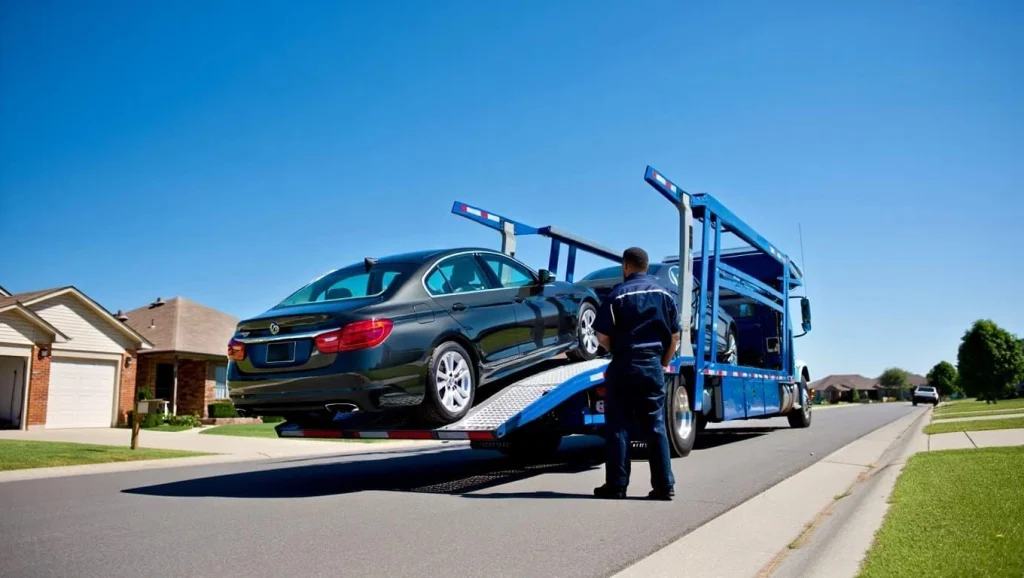
Shipping a car from Texas to another state can be a practical alternative to driving hundreds or thousands of miles. Whether you are relocating from Austin, buying a vehicle from another state, or arranging transportation for a family member, understanding the factors that affect shipping costs can help you plan your budget.
There is no single price that applies to every shipment. The final cost depends on several details, including the distance, vehicle specifications, transportation method, pickup and delivery locations, and timing. Knowing what influences a quote makes it easier to compare options and choose a suitable service.
1. Distance Between Pickup and Delivery Locations
Distance is one of the most important factors in vehicle shipping prices. Transporting a car between nearby states may require fewer miles than shipping it from Texas to a distant destination.
However, the price does not always increase in direct proportion to mileage. Carriers consider the entire route, fuel expenses, tolls, driver availability, and the number of other shipments that can be accommodated along the way.
Popular transportation corridors may offer more carrier options than remote areas. A route connecting major cities can sometimes be easier to arrange than a route involving rural pickup or delivery locations.
When requesting a quote, provide accurate origin and destination details. If your exact address is difficult for a carrier to access, ask whether a nearby meeting point would affect the price or scheduling.
2. Open vs. Enclosed Car Transport
The transportation method can significantly affect the total cost.
Open car transport is commonly selected for standard sedans, SUVs, and other eligible vehicles. The carrier transports vehicles on an open trailer, and the cost can be shared across multiple shipments.
Enclosed car transport uses a covered trailer and can provide additional protection from weather and road debris. This option may be suitable for classic cars, luxury vehicles, exotic automobiles, and collectibles. Enclosed shipping generally costs more because of equipment, capacity, and specialized service considerations.
Your decision should reflect the vehicle’s value, condition, exposure concerns, and budget. A standard daily-use car may be well suited to open transport, while an owner of a rare or recently restored vehicle may prefer enclosed shipping.
3. Vehicle Size, Weight, and Condition
Larger and heavier vehicles can require more carrier space and may affect fuel consumption or loading arrangements. Shipping a large pickup truck, oversized SUV, or modified vehicle may therefore cost more than transporting a standard sedan.
The vehicle’s condition also matters. A non-running car may require a winch, specialized loading equipment, or a carrier capable of handling inoperable vehicles. Low ground clearance, oversized tires, unusual modifications, and other special requirements can also influence availability and price.
Always disclose your vehicle’s condition when requesting a quote. Accurate information reduces the likelihood of unexpected changes after the shipment has been arranged.
4. Seasonal Demand and Pickup Scheduling
Vehicle shipping demand can vary throughout the year. Relocation periods, holidays, weather conditions, and seasonal travel patterns may affect carrier availability and pricing.
Flexible pickup dates may provide access to more options, while a narrow pickup window can limit the available arrangements. Expedited service, where available, may involve additional charges.
If your vehicle needs to arrive around a move, job start date, or other important event, plan ahead. Request an estimated pickup window and delivery timeframe rather than relying on an assumed exact arrival date.
5. Pickup and Delivery Arrangements
Door-to-door shipping aims to collect and deliver your vehicle near your specified addresses. However, narrow roads, restricted parking, gated communities, and other access limitations can require a nearby alternative meeting point.
Terminal-based or other transportation arrangements may be available in some circumstances, depending on the provider. Ask what is included in your quote and whether any additional handling or location-related charges apply.
Make sure the pickup and delivery details are clearly documented before confirming your shipment.
6. How to Compare Car Shipping Quotes
A low quote may not provide the same service as a higher quote. When comparing offers, review the transportation method, estimated schedule, carrier arrangements, payment terms, cancellation policy, and insurance documentation.
Ask whether the quoted amount is binding or subject to change under specified conditions. Confirm whether the price includes all agreed services and what happens if your pickup date, vehicle condition, or destination changes.
You should also clarify the difference between the company arranging your shipment and the carrier physically transporting your vehicle. Understanding each party’s responsibilities can help prevent confusion.
7. How to Prepare Your Budget
Begin with your vehicle details, pickup location, destination, and preferred shipping dates. Decide whether open or enclosed transport better suits your needs, then request a written quote.
Compare the shipping cost with the total expense of driving, including fuel, meals, accommodation, mileage, and time. Consider whether shipping will simplify your relocation or reduce the practical difficulties of a long-distance trip.
Remember that prices can change with market conditions, so an old estimate may not reflect current availability.