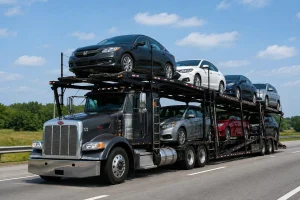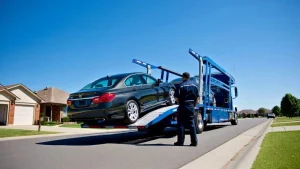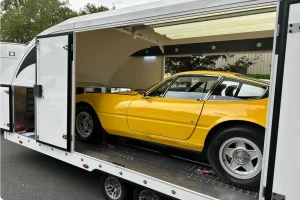

State-to-state auto transport helps customers move vehicles between different states without driving the entire distance themselves. SteadyPath Vehicle Shipping offers options to explore long-distance vehicle transportation for relocations, online car purchases, job changes, and other interstate shipping needs.
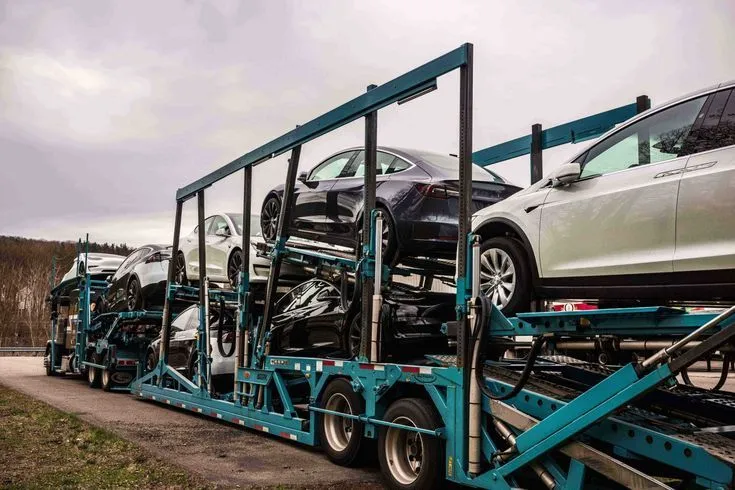
Moving a vehicle across state lines can involve long driving distances, fuel expenses, accommodation, road conditions, time away from work, and additional wear on the automobile. State-to-state auto transport provides an alternative by arranging professional vehicle transportation between locations in different states.
SteadyPath Vehicle Shipping helps customers explore interstate auto transport options associated with Austin, Texas, and eligible destinations throughout the United States. Whether you are relocating for a new job, purchasing a vehicle from an out-of-state seller, moving your household, or coordinating transportation for a family member, choosing a suitable shipping arrangement starts with understanding your route and requirements.
State-to-state auto transport involves moving a vehicle from a pickup location in one state to a delivery location in another. The vehicle is transported using a suitable carrier selected according to the route, dimensions, weight, condition, and other shipment requirements.
Customers can often compare open and enclosed transport options. Open transport is commonly used for standard vehicles and may provide a more economical choice. Enclosed transport can be considered for classic, luxury, exotic, or collectible automobiles that need additional protection from outdoor exposure.
Door-to-door arrangements may also be available, depending on the pickup and delivery locations and carrier access. In some cases, the customer and carrier may need to agree on accessible nearby meeting points.
The best arrangement depends on the distance, route availability, scheduling requirements, vehicle type, and budget. Customers should review the actual service description and written terms before confirming transportation.
One of the main benefits of state-to-state shipping is the ability to move a vehicle without personally driving it across the country. This can be valuable when a relocation requires the household to travel separately, when a car is purchased from another state, or when the owner has limited time for a long-distance drive.
Shipping can also make planning easier when several moving tasks must be coordinated at once. Customers can arrange vehicle pickup around a household move, employment start date, property closing, or other significant event.
Another benefit is the availability of different transport methods. Depending on the route, customers may be able to select open or enclosed transportation and request pickup and delivery arrangements that suit their circumstances.
However, shipping is not automatically cheaper or faster than driving in every situation. Compare the total quote with fuel, lodging, meals, mileage-related costs, and the value of your time. Consider the expected pickup window and transit estimate rather than assuming a vehicle will arrive on an exact date.
Interstate auto transport can be useful for individuals and families moving between states, students attending out-of-state schools, professionals relocating for employment, and military families coordinating a move.
It may also suit vehicle buyers who purchase cars from dealerships, auctions, or private sellers in other states. Sellers can explore shipping options when delivering a vehicle to a buyer who lives far away, subject to the transaction’s terms and the carrier’s requirements.
Seasonal travelers and owners of specialty vehicles may also consider interstate transport when they do not want to undertake a long drive. The appropriate method depends on the vehicle’s condition, value, timing, and destination.
If your car does not run, has unusual dimensions, or requires specialized loading equipment, disclose these details when requesting a quote. Not every carrier can transport every vehicle, and special requirements can affect the price and availability.
Start by identifying the origin and destination, the vehicle you want to ship, and your preferred timeframe. Provide the make, model, year, operating condition, and any modifications that may affect loading or transport.
Review the quote and confirm what it includes. Important details may include the transport method, agreed pickup window, estimated transit time, payment arrangements, cancellation terms, and the responsibilities of the parties involved. Verify the relevant carrier information and insurance documentation before handing over the vehicle.
Prepare the car by removing personal items, documenting its existing condition, securing loose accessories, and following the carrier’s fuel and preparation instructions. Keep a copy of the shipping documents and make sure your contact information is accurate.
At pickup, review the vehicle inspection record and confirm the handover arrangements. During transportation, follow the agreed communication process for schedule updates. At delivery, inspect the vehicle and promptly document any concerns using the applicable claims procedure.
Austin is a useful starting point for customers planning vehicle transportation to other parts of Texas or destinations across state lines. Actual service availability varies by origin, destination, route demand, carrier capacity, and season.
SteadyPath Vehicle Shipping helps customers explore interstate shipping options based on their transportation needs. Before booking, compare available transport methods and confirm the estimated pickup and delivery windows.
A little preparation can make the process easier. Provide complete vehicle information, allow reasonable scheduling flexibility where possible, and confirm all important arrangements in writing. These steps can help you make a more informed decision when arranging long-distance transportation.
Find answers to some common questions about car shipping and vehicle transportation.
The cost depends on the pickup and delivery locations, total distance, vehicle size and weight, transport type, route demand, season, and requested dates. Enclosed transport generally costs more than open transport. Request a quote for your specific shipment.
Transit time depends on the distance, route, carrier availability, weather, traffic, and pickup scheduling. Shorter routes may take less time than cross-country shipments. Ask about the estimated pickup window and delivery timeframe before confirming.
Open transport moves vehicles on an open carrier and is commonly selected for everyday cars. Enclosed transport uses a covered trailer to provide additional protection from road debris and weather exposure. The appropriate option depends on your vehicle and priorities.
Door-to-door transport aims to arrange pickup and delivery near your specified addresses. However, narrow streets, low-clearance areas, parking restrictions, and local regulations may prevent a large carrier from reaching the exact address. An accessible nearby meeting point may be required.
Clean your vehicle, photograph its exterior, remove personal belongings and loose accessories, secure or remove toll tags when appropriate, and check for existing damage. Keep the fuel level at the carrier's requested amount and disclose any mechanical issues before pickup.