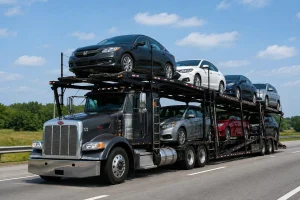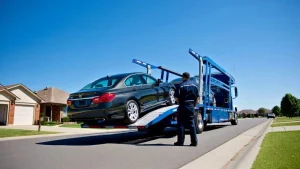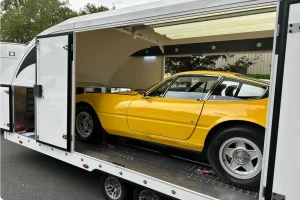

Enclosed car transport provides covered transportation for vehicles that need additional protection from outdoor exposure during transit. SteadyPath Vehicle Shipping helps customers explore enclosed shipping options for classic cars, luxury vehicles, collectibles, and other automobiles that may benefit from a covered carrier.
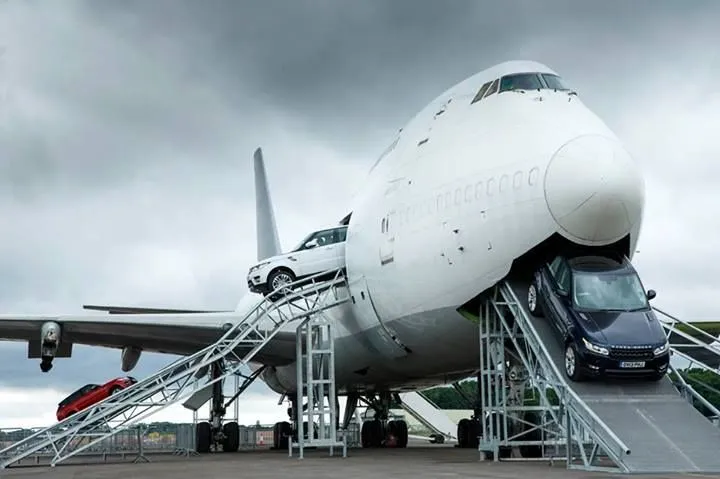
Some vehicles require extra consideration when being transported over long distances. A classic car, luxury automobile, exotic sports car, or recently restored vehicle may have special value or a finish that its owner wants to protect from unnecessary exposure. Enclosed car transport offers a covered shipping solution for these situations.
SteadyPath Vehicle Shipping helps customers explore enclosed vehicle transportation options for eligible routes and vehicles. If you are moving a valuable automobile from Austin, Texas, to another city or state, understanding the benefits and limitations of enclosed shipping can help you select the right service.
Enclosed car transport uses a trailer with covered sides and a roof to shield vehicles from many outdoor conditions during transportation. Unlike open carriers, enclosed trailers reduce direct exposure to rain, road spray, dust, and airborne debris.
The type of equipment varies by provider. Depending on the trailer, vehicles may be loaded using specialized ramps, hydraulic lift gates, or other loading systems. Some enclosed carriers accommodate fewer vehicles than open carriers, which can influence scheduling and pricing.
Although enclosed transport offers additional protection from environmental exposure, it does not eliminate every transportation risk. Vehicle movement, loading and unloading, mechanical problems, road incidents, and other unexpected events can still occur. Customers should review the carrier’s insurance arrangements and written shipping terms before authorizing transportation.
The primary advantage of enclosed transport is the additional shielding it provides. Owners of high-value vehicles may prefer a covered trailer because they want to limit exposure to weather and road conditions.
This service may be particularly suitable for classic automobiles, collectible cars, exotic sports cars, luxury models, show vehicles, and vehicles with specialized paintwork. It can also be considered for recently restored cars or automobiles that require careful handling.
Another benefit is the specialized equipment that may be available through certain enclosed transport providers. Some carriers offer loading arrangements suited to low-clearance vehicles, while others may provide additional securing procedures for particular vehicle types. These features depend on the selected carrier and should be confirmed before booking.
Enclosed transport usually costs more than standard open shipping. The additional expense may reflect equipment requirements, lower vehicle capacity, route availability, and specialized handling. Customers should compare the quoted service details rather than assuming every enclosed carrier offers identical features.
Enclosed shipping can be worth considering for vehicles whose value, rarity, condition, or owner requirements justify additional protection.
Classic car collectors may use enclosed transport when moving vehicles to exhibitions, auctions, restoration facilities, or new storage locations. Luxury vehicle owners may prefer covered shipping when relocating or purchasing an automobile from another state. Exotic vehicle owners may also seek specialized loading equipment and careful handling arrangements.
Not every vehicle requires enclosed transport. An everyday sedan or family SUV may be adequately served by open shipping, depending on the owner’s preferences. The right choice depends on the vehicle, budget, distance, available carriers, and level of environmental protection desired.
When requesting a quote, disclose any modifications, unusually low ground clearance, non-operational condition, oversized dimensions, or special loading requirements. Providing this information early can help identify an appropriate carrier.
Begin by documenting your vehicle’s condition. Clean the exterior where practical, take clear photographs, and record existing scratches, dents, paint imperfections, or other visible issues. Keep copies of relevant vehicle information and any agreed shipping documentation.
Remove personal belongings and unsecured items unless the carrier has explicitly authorized particular items in writing. Disable or manage alarms according to the carrier’s instructions, and disclose mechanical problems or fluid leaks before pickup.
Ask about the carrier’s loading procedure, pickup arrangements, estimated transit time, insurance coverage, and delivery documentation. Confirm whether any special equipment or handling arrangements are included in the quote.
At pickup, review the inspection report and ensure the vehicle’s condition is documented. At delivery, inspect the automobile carefully and report any concerns before signing the final paperwork, following the applicable documentation and claims procedures.
SteadyPath Vehicle Shipping serves customers seeking vehicle transportation options associated with Austin, Texas. Depending on availability, enclosed transport may be considered for interstate relocations, classic car purchases, specialty vehicle deliveries, and other long-distance shipping needs.
When comparing quotes, look beyond the headline price. Consider the type of trailer, vehicle capacity, loading equipment, pickup window, delivery estimate, insurance documentation, and cancellation terms. Confirm all material details in writing before committing to a shipment.
Our goal is to help customers understand their options and plan a suitable transportation arrangement for their vehicle. The actual service features, equipment, and coverage depend on the carrier and the confirmed shipment terms.
Find answers to some common questions about car shipping and vehicle transportation.
The cost depends on the pickup and delivery locations, total distance, vehicle size and weight, transport type, route demand, season, and requested dates. Enclosed transport generally costs more than open transport. Request a quote for your specific shipment.
Transit time depends on the distance, route, carrier availability, weather, traffic, and pickup scheduling. Shorter routes may take less time than cross-country shipments. Ask about the estimated pickup window and delivery timeframe before confirming.
Open transport moves vehicles on an open carrier and is commonly selected for everyday cars. Enclosed transport uses a covered trailer to provide additional protection from road debris and weather exposure. The appropriate option depends on your vehicle and priorities.
Door-to-door transport aims to arrange pickup and delivery near your specified addresses. However, narrow streets, low-clearance areas, parking restrictions, and local regulations may prevent a large carrier from reaching the exact address. An accessible nearby meeting point may be required.
Clean your vehicle, photograph its exterior, remove personal belongings and loose accessories, secure or remove toll tags when appropriate, and check for existing damage. Keep the fuel level at the carrier's requested amount and disclose any mechanical issues before pickup.