
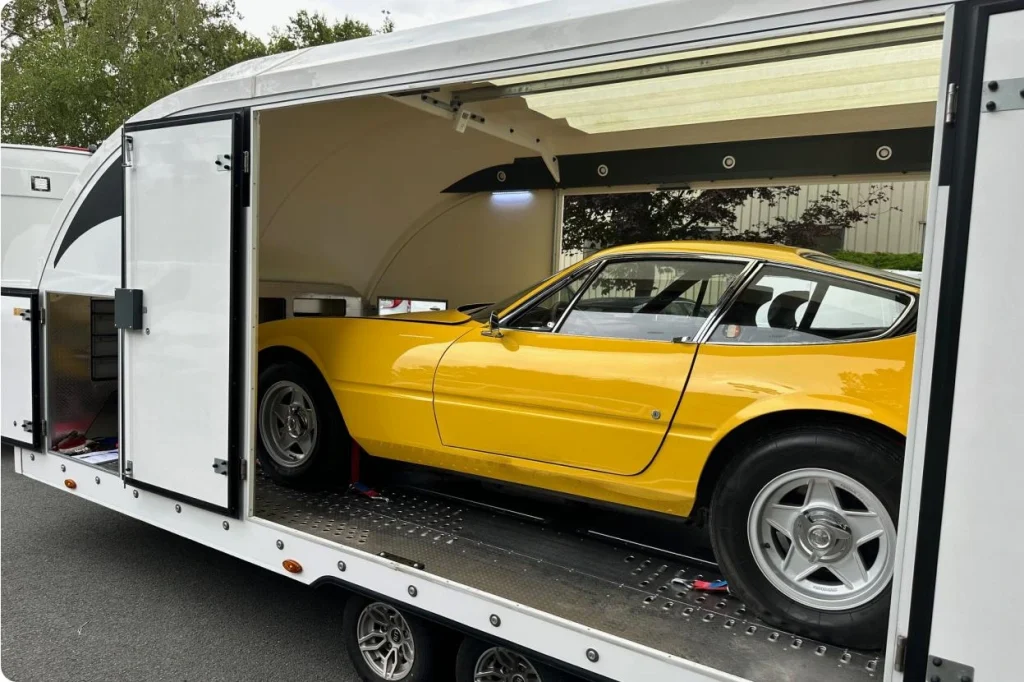
Preparing your vehicle before transportation can help make pickup and delivery easier to coordinate. Whether you are shipping a car from Austin, Texas, to another state or arranging transportation within a region, a few simple steps can help you document the vehicle’s condition and avoid preventable complications.
The exact preparation requirements may vary depending on the carrier, vehicle type, and transportation method. Always follow the instructions provided for your specific shipment.
1. Clean Your Vehicle Before Pickup
A reasonably clean exterior makes it easier to identify scratches, dents, paint marks, and other visible imperfections.
You do not necessarily need a professional detailing service. A basic wash may be enough to make the vehicle’s condition easier to inspect.
Pay particular attention to areas that already have visible damage. Take clear photographs before handing over the vehicle so you have a record of its condition.
Cleaning the vehicle is mainly about documentation. It does not prevent all damage, but it can help you compare the vehicle’s condition before and after transportation.
2. Photograph the Vehicle’s Condition
Photographs provide a useful record of the vehicle before shipping. Take pictures of the front, rear, both sides, wheels, roof, and any existing scratches or dents.
If practical, photograph the odometer and any areas that require special attention. Keep the original images with the date and other shipment documents.
At pickup, review the carrier’s inspection report or bill of lading, where applicable. Make sure visible existing damage is recorded accurately before the vehicle is loaded.
At delivery, inspect the car again and compare its condition with the original photographs and paperwork. Document any apparent new damage promptly and follow the applicable reporting and claims procedures.
3. Remove Personal Belongings
Most vehicle carriers restrict or discourage transporting personal belongings inside a car. Personal items may shift during transit, create safety concerns, add weight, or fall outside the carrier’s insurance coverage.
Remove luggage, electronics, documents, valuables, loose accessories, and other belongings unless the carrier has explicitly authorized particular items in writing.
Check the glove compartment, center console, trunk, door pockets, and storage compartments. Keep important documents and valuables with you.
If a carrier permits limited items, confirm the applicable weight limits, restrictions, and responsibility for loss or damage before pickup.
4. Check the Fuel Level
Follow the carrier’s specific instructions about fuel. Some carriers request a low but sufficient fuel level for loading and unloading, while requirements can vary by equipment and operating procedures.
Do not assume that the tank should be completely full or completely empty. Ask the transportation provider what is required for your shipment.
If your vehicle is electric or a plug-in hybrid, confirm any requirements relating to battery charge, keys, charging cables, and safe handling. Electric vehicles may have particular loading or transport considerations.
5. Check for Mechanical Problems
Tell the carrier if the vehicle does not start, has brake problems, leaks fluids, or has other mechanical issues.
A non-running vehicle may require specialized equipment, such as a winch, and not every carrier can accommodate it. Disclosing the condition in advance helps determine whether the appropriate equipment is available and whether additional charges apply.
If the vehicle is operational, follow any instructions regarding alarms, keys, parking brakes, and steering or suspension issues.
Do not attempt unsafe repairs simply to make the vehicle appear ready for pickup. Communicate any problems to the provider before transportation begins.
6. Secure Loose Parts and Accessories
Loose spoilers, removable roof accessories, external racks, antennas, and other attachments can create problems during loading and transit.
Remove detachable accessories when appropriate and secure any components that must remain installed. If the vehicle has modifications or unusual dimensions, inform the provider before booking.
Retract or secure mirrors and other movable parts according to the carrier’s instructions. Ask whether special handling is required for vehicles with low ground clearance or modified suspension systems.
7. Check for Toll Tags and Personal Data
Electronic toll tags may register charges when a vehicle passes through toll facilities, even if it is being transported rather than driven by its owner.
Review the instructions for your toll tag and disable, remove, or shield it when appropriate. Do not remove a permanently installed device without checking the manufacturer’s instructions.
You should also remove sensitive paperwork and personal information from the vehicle. If the car has built-in navigation or connected services, consider clearing saved addresses and personal data when appropriate.
8. Confirm Pickup and Delivery Details
Before pickup, verify the date, time window, location, contact information, and expected payment arrangements.
For door-to-door shipping, confirm whether the carrier can access the exact address. Narrow streets, parking restrictions, gated communities, and overhead obstructions may require a nearby meeting point.
Ask who will contact you with updates and what to do if the schedule changes. Make sure the person handing over the vehicle is authorized to do so.
At delivery, arrange a suitable place to inspect the vehicle and complete the required paperwork.
9. Keep Your Shipping Documents Organized
Keep a copy of the booking confirmation, written quote, carrier details, vehicle inspection record, and relevant payment documentation.
Review the insurance information and understand the procedures for reporting damage or delays. If you are not the person receiving the vehicle, confirm what identification or authorization the carrier requires.
Having these documents available can make it easier to answer questions and resolve issues if something unexpected happens.
10. Use a Final Pre-Shipping Checklist
Before the carrier arrives, verify the following:
-
The vehicle has been photographed and visible damage documented.
-
Personal belongings and valuables have been removed.
-
Fuel or battery requirements have been confirmed.
-
Mechanical problems and vehicle modifications have been disclosed.
-
Loose accessories have been secured.
-
Pickup and delivery details have been confirmed.
-
The inspection and shipping documents are ready.
-
You understand the applicable insurance and claims procedures.