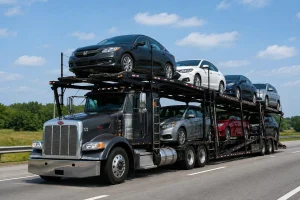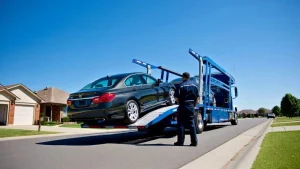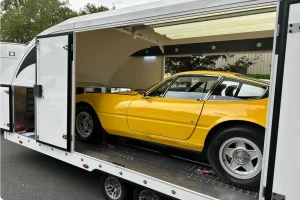

Door-to-door auto transport is designed to make vehicle shipping more convenient by coordinating pickup and delivery near your specified locations. SteadyPath Vehicle Shipping helps customers explore practical transportation arrangements for relocations, vehicle purchases, and long-distance moves, subject to carrier access and availability.
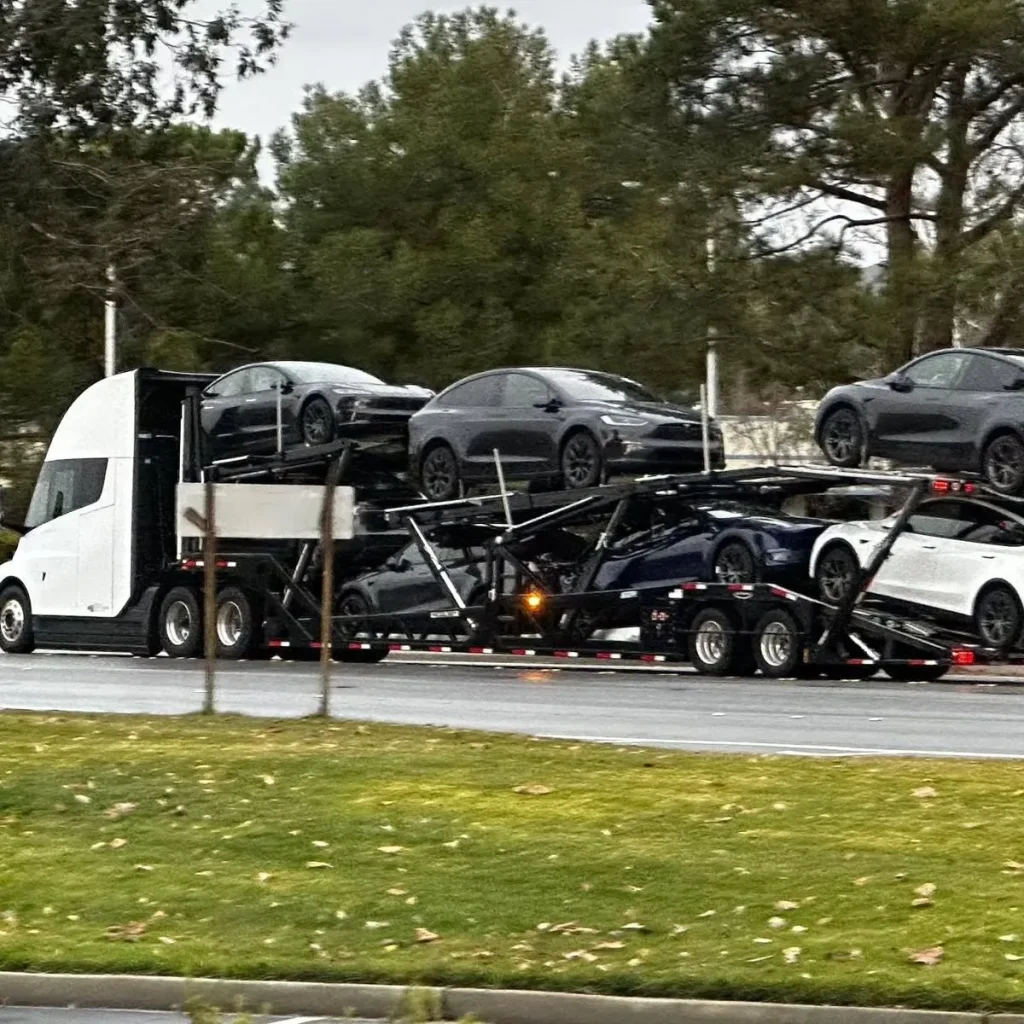
Transporting a vehicle can involve more than arranging a truck. Customers must consider pickup locations, delivery access, scheduling, vehicle preparation, and coordination with the transportation provider. Door-to-door auto transport is designed to simplify these arrangements by bringing vehicle pickup and delivery as close as reasonably possible to the locations specified by the customer.
SteadyPath Vehicle Shipping helps customers explore door-to-door auto transport options associated with Austin, Texas, and eligible destinations. Whether you are relocating to another home, purchasing a car from another state, or arranging transportation for a family member, understanding how the service works can help you prepare for a smoother shipping experience.
Door-to-door auto transport generally means that the vehicle is collected near the agreed pickup address and delivered near the agreed destination address. The exact locations depend on the carrier’s ability to access the surrounding streets and safely load or unload the vehicle.
A large car carrier cannot always enter residential neighborhoods, apartment complexes, narrow streets, gated communities, or locations with low branches and overhead restrictions. Local parking regulations and traffic conditions may also affect where a vehicle can be transferred.
When direct access is not possible, the carrier may arrange a nearby accessible location, such as a suitable parking area or a wider street where stopping is permitted. Customers should confirm these arrangements before pickup rather than assuming that a carrier can enter every driveway or reach every front door.
Door-to-door service describes the intended pickup and delivery arrangement. It does not necessarily mean that the carrier can enter private property or guarantee a specific location regardless of access conditions.
Convenience is one of the main reasons customers consider door-to-door shipping. Instead of arranging separate transportation to and from a distant terminal, customers can coordinate vehicle handover closer to their home, workplace, or another agreed location.
This may be especially useful for families moving between homes, individuals relocating for employment, students moving to another state, and people buying vehicles from distant sellers.
Door-to-door service can also simplify coordination. When pickup and delivery points are established in advance, customers have a clearer understanding of where to meet the carrier, when the vehicle should be ready, and what arrangements may be needed at the destination.
The service may be available with open or enclosed transport, depending on the route and carrier. Customers can therefore compare the convenience of door-to-door arrangements with their preferred level of vehicle protection and budget.
This service can be helpful for customers who want to reduce the effort involved in moving a vehicle between locations. It may suit people moving to another state, households coordinating a long-distance relocation, military personnel arranging a move, and buyers or sellers completing an out-of-area vehicle transaction.
It may also be useful when a vehicle needs to reach a destination where the owner will not be able to drive it personally. For example, a customer may arrange vehicle transportation to a new residence before arriving at the destination.
However, individual circumstances differ. Customers with oversized vehicles, non-running automobiles, low-clearance cars, or difficult pickup locations should discuss their requirements in advance. The transportation provider may need additional information to identify an appropriate carrier and accessible transfer point.
The process begins by providing your pickup address, destination address, vehicle details, and preferred shipping dates. Mention any restrictions that could affect carrier access, including gated entrances, limited parking, narrow roads, steep driveways, or vehicle clearance concerns.
After reviewing the proposed arrangement, confirm the quoted price, service description, pickup window, delivery estimate, payment terms, and cancellation policy. Ask whether the quote includes any additional charges that could arise from changes to the pickup or delivery location.
Before pickup, remove personal belongings, document the vehicle’s condition, and ensure the car is accessible and ready according to the carrier’s instructions. Confirm the meeting point and contact arrangements with the responsible transportation provider.
At delivery, be available to receive the vehicle or arrange an authorized representative if permitted. Inspect the car, compare its condition with the original documentation, and follow the provider’s procedures for reporting any damage or discrepancies.
Austin includes residential neighborhoods, commercial districts, apartment communities, and busy roads that can present different access conditions for vehicle carriers. A successful pickup or delivery plan should account for local parking rules, street width, traffic, and safe loading space.
SteadyPath Vehicle Shipping helps customers explore door-to-door vehicle shipping arrangements based on their routes and requirements. Availability, exact transfer points, and scheduling depend on the carrier and the circumstances of the shipment.
To help plan your shipment, provide accurate addresses, explain any access limitations, and remain available for coordination during the pickup and delivery process. Clear communication can help reduce avoidable delays and last-minute changes.
Find answers to some common questions about car shipping and vehicle transportation.
The cost depends on the pickup and delivery locations, total distance, vehicle size and weight, transport type, route demand, season, and requested dates. Enclosed transport generally costs more than open transport. Request a quote for your specific shipment.
Transit time depends on the distance, route, carrier availability, weather, traffic, and pickup scheduling. Shorter routes may take less time than cross-country shipments. Ask about the estimated pickup window and delivery timeframe before confirming.
Open transport moves vehicles on an open carrier and is commonly selected for everyday cars. Enclosed transport uses a covered trailer to provide additional protection from road debris and weather exposure. The appropriate option depends on your vehicle and priorities.
Door-to-door transport aims to arrange pickup and delivery near your specified addresses. However, narrow streets, low-clearance areas, parking restrictions, and local regulations may prevent a large carrier from reaching the exact address. An accessible nearby meeting point may be required.
Clean your vehicle, photograph its exterior, remove personal belongings and loose accessories, secure or remove toll tags when appropriate, and check for existing damage. Keep the fuel level at the carrier's requested amount and disclose any mechanical issues before pickup.